Is Dry Needling Safe? Side Effects, Risks and Who Should Avoid It
Minor soreness is common, serious problems are rare. What the research says about dry needling safety and who needs extra care.
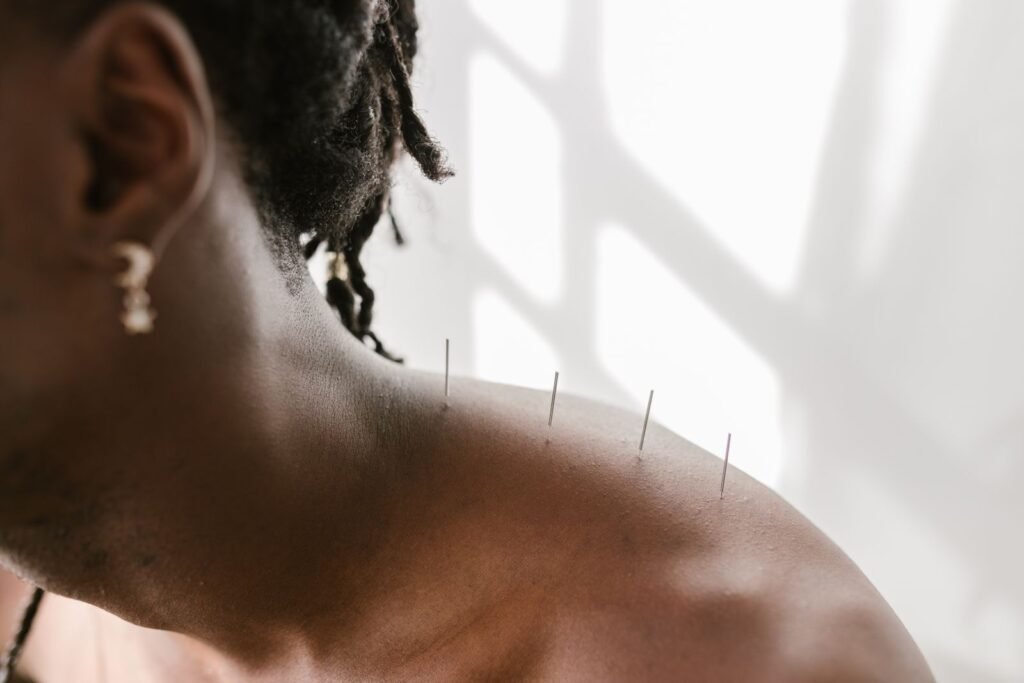
Dry needling is generally safe when it’s done by a trained, licensed practitioner. Minor side effects are common and short-lived: soreness, bruising or a small amount of bleeding where the needle went in. Serious problems are rare. In a survey of more than 20,000 treatments, major adverse events happened in fewer than 1 in 1,000, and a 2026 review of 59 studies put major events at 0% to 0.43% per treatment. The most important serious risk is a collapsed lung when needling over the chest wall, which is why training, careful technique and a proper health check before treatment matter.
The short version
- Minor side effects are common. Soreness, bruising and brief bleeding happened after about 1 in 3 to 1 in 5 treatments in two large practitioner surveys.
- Serious problems are rare. One survey of over 20,000 treatments found major events in fewer than 1 in 1,000.
- The main serious risk is a collapsed lung. It’s linked to needling over the chest wall and is the reason training and technique matter most.
- Some people need extra care. Pregnancy, blood-thinning medicine, bleeding disorders, infections and a strong fear of needles all need discussing first.
- Know the warning signs. Sudden breathlessness or chest pain after treatment needs urgent help: call 998 in the UAE.
Is dry needling safe?
For most people, yes. A 2026 systematic review pulled together 59 studies on dry needling side effects, including trials, observational studies and surveys of practitioners. It found that dry needling commonly causes minor side effects, reported after anywhere from 0% to 48% of treatments depending on the study, while major adverse events were uncommon, at 0% to 0.43% per treatment.1
Looking across whole careers, between about 1% and 39% of practitioners in different surveys reported having seen at least one major event. That’s a reminder that rare isn’t the same as never, and that the person holding the needle needs proper training.
What are the common side effects of dry needling?
Two large studies asked physiotherapists to record every side effect they saw over several weeks or months:
| Side effect | Irish survey (7,629 treatments) |
US survey (over 20,000 treatments) |
|---|---|---|
| Any minor side effect | 19% | 37% |
| Bleeding | 4.7% | 16% |
| Bruising | 7.6% | 7.7% |
| Pain during treatment | 3.0% | 5.9% |
| Significant or major events | None reported | About 1 in 1,000 |
Less common side effects in the Irish survey included a short-term flare of symptoms, drowsiness, headache and nausea, each in under 1% of treatments.2 In the US survey of 420 physical therapists, 20 major events were reported across more than 20,000 treatments.3
Soreness after treatment usually settles within a day or two. Our dry needling aftercare guide explains what’s normal and what helps, and our article on whether dry needling hurts covers what you’ll feel during a session.
What are the serious risks?
Serious complications are rare, but they’re the reason dry needling should only be done by someone trained in it:
- Collapsed lung (pneumothorax): the most important serious risk, linked to needling over the chest wall, upper back or shoulders near the lungs. Symptoms include sudden breathlessness or chest pain, sometimes hours after treatment.
- Infection: rare when single-use sterile needles and clean skin technique are used.
- Nerve irritation: brief tingling or a short-lived ache can happen if a needle comes close to a nerve.
- Fainting: some people feel light-headed, especially if they’re nervous about needles or haven’t eaten. Treatment lying down helps.
Who should avoid dry needling or take extra care?
| Situation | What it usually means |
|---|---|
| Pregnancy | Extra caution, especially in the first trimester; often avoided or adapted |
| Blood-thinning medicine | Not automatically ruled out, but needs a careful check of the medicine and the area being treated |
| Bleeding disorder | Usually avoided or discussed with your doctor first |
| Infection or skin problem in the area | That area isn’t needled until it has cleared |
| Strong fear of needles | Other treatments may suit you better; it’s always your choice |
| Pacemaker or implanted device | Matters mainly if electrical stimulation through the needles is being considered |
On blood thinners, a 2022 review concluded that taking antiplatelet or anticoagulant medicine should not be treated as an absolute reason to avoid dry needling, as long as the specific technique and individual risks are properly considered.4 Always tell your practitioner about every medicine you take.
Questions to ask before your first session
- Are you licensed and trained in dry needling? In Dubai, check the practitioner holds a valid DHA licence.
- Which areas will you needle, and why? A good practitioner explains the plan and what you might feel.
- Do you use single-use sterile needles? The answer should always be yes.
- What should I watch for afterwards? You should leave knowing what’s normal and when to get help.
How to make dry needling as safe as possible
- Share your full health history, including pregnancy, medicines, implants and any bleeding problems.
- Eat something light beforehand, and say if you feel faint or unwell at any point.
- Tell your practitioner straight away if you feel sharp pain, numbness or anything unusual.
- Follow the aftercare advice, and keep moving gently afterwards.
Wondering how it compares with acupuncture? Our guide to dry needling vs acupuncture explains the differences, and how many dry needling sessions you need covers what to expect from a course of treatment.
Dry needling at Somatic Recovery
At Somatic Recovery, dry needling is offered in person in Dubai by Shubhangii Gaikwaad, a DHA-licensed physiotherapist. Every session starts with a health check and an explanation of what’s planned, using single-use sterile needles, and dry needling is only used where it suits you, as part of a wider physiotherapy plan. Read more about dry needling in Dubai.
Get urgent medical help (call 998 in the UAE) if after dry needling you have
- Sudden shortness of breath or difficulty breathing
- Chest pain, especially when breathing in
- Spreading redness, heat, swelling or fever around a needle site
- Numbness or weakness that doesn’t settle
Frequently asked questions
Is dry needling safe?
For most people, yes, when it’s done by a trained, licensed practitioner. Minor side effects like soreness and bruising are common, while major adverse events are uncommon: a 2026 review of 59 studies put them at 0% to 0.43% per treatment.
What are the side effects of dry needling?
The most common are soreness, bruising and a small amount of bleeding. Less common are a short flare of symptoms, drowsiness, headache or nausea. Most settle within a day or two.
Can dry needling puncture a lung?
It’s rare, but it can happen when needling over the chest wall, upper back or shoulders. That’s the main reason dry needling should only be done by a trained practitioner. Sudden breathlessness or chest pain after treatment needs urgent care.
Can I have dry needling if I take blood thinners?
Possibly. A 2022 review found blood-thinning medicine shouldn’t be an automatic reason to avoid dry needling, but your practitioner needs to know about it and adjust the plan. Always share every medicine you take.
Who should not have dry needling?
It may not be suitable, or needs extra care, if you’re pregnant, have a bleeding disorder, take blood thinners, have an infection in the area, have a strong fear of needles, or have an implanted device and electrical stimulation is planned.
References
- Rabanal-Rodríguez G, Simón-Alonso MA, Navarro-Santana MJ, et al. Frequency and severity of adverse events associated with dry needling: a systematic review and meta-analysis. Phys Ther. 2026;106(6):pzag050.
- Brady S, McEvoy J, Dommerholt J, Doody C. Adverse events following trigger point dry needling: a prospective survey of chartered physiotherapists. J Man Manip Ther. 2014;22(3):134-140.
- Boyce D, Wempe H, Campbell C, et al. Adverse events associated with therapeutic dry needling. Int J Sports Phys Ther. 2020;15(1):103-113.
- Muñoz M, Dommerholt J, Pérez-Palomares S, Herrero P, Calvo S. Dry needling and antithrombotic drugs. Pain Res Manag. 2022;2022:1363477.

About Somatic Recovery
Somatic Recovery is the Dubai practice of Shubhangii Gaikwaad, DHA-Licensed Physiotherapist (MPT, Neurology) with 16 years of clinical experience. Sessions in person in Dubai and online worldwide, in English and Hindi.
This article is general information, not a diagnosis or a substitute for an individual assessment. If you have severe, sudden or worsening symptoms, see a doctor.
Somatic Recovery · Dubai & online
Want this looked at properly?
One assessment with a DHA-licensed physiotherapist to understand what is driving your symptoms, with a clear plan and an honest timeline.
Keep reading
 Dry NeedlingDry Needling for Neck Pain and Headaches: Does It Work?Short-term relief for neck pain, promising but less certain for headaches. What the research says and how it fits with exercise.7 min read→
 Dry NeedlingHow Many Dry Needling Sessions Do You Need?There is no magic number. What the research says about how many sessions, how often, and when to change the plan.6 min read→
 Dry NeedlingTrigger Points Explained: Why Muscle Knots Refer PainWhy a knot in your shoulder can give you a headache, what science actually knows about trigger points, and what helps.8 min read→