Does Dry Needling Hurt? What a Session Actually Feels Like
The pinch, the twitch and the ache: what dry needling really feels like, how much it hurts according to research, and how long soreness lasts.
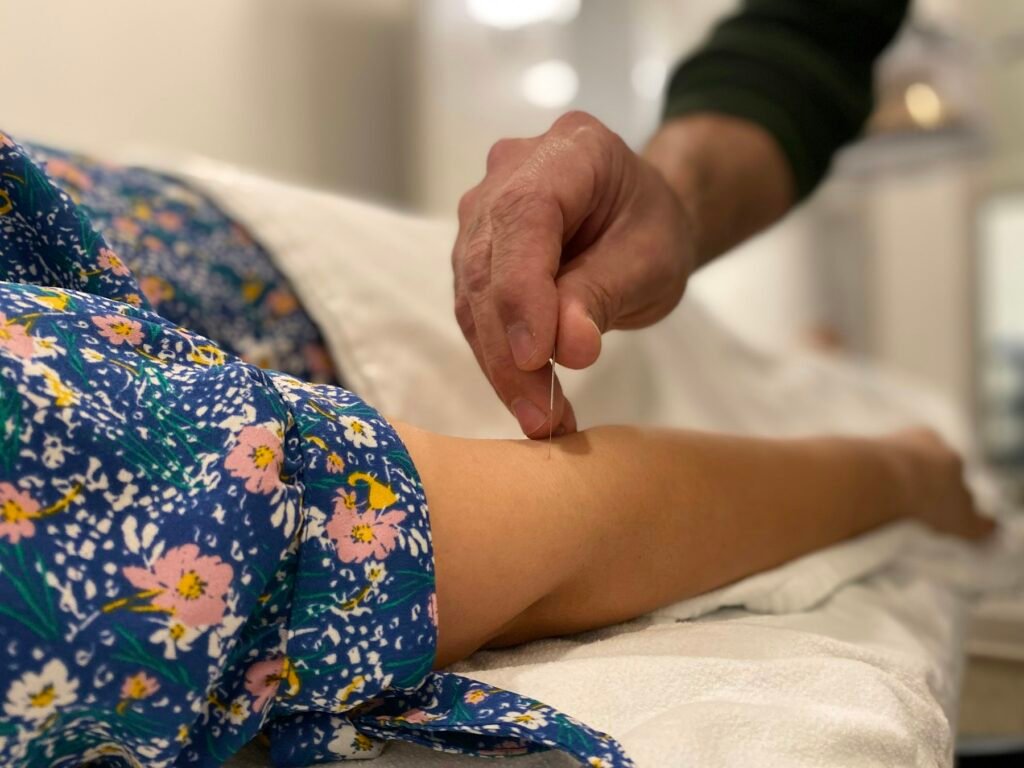
Dry needling usually feels like a quick pinch as the needle goes in, followed by a deep ache or a brief muscle twitch when it reaches a tight spot. Most people describe it as uncomfortable rather than painful, and the sensation fades within seconds. Afterwards, the treated muscle often feels sore, similar to the day after a hard workout, for one to three days. Your physiotherapist can adjust the technique, and you can ask to pause or stop at any point.
The short version
- The needle is very thin, much finer than an injection needle, so the skin prick is small and quick.
- The muscle feeling is the main event: a deep ache, pressure or a short twitch when a trigger point is reached.
- Soreness afterwards is common and usually settles within 72 hours.
- In a survey of over 7,600 treatments, pain during needling was reported in about 3% of sessions, and no serious problems occurred.
- You stay in control: say if it’s too much and the approach can be changed or stopped.
What the needle itself feels like
Dry needling uses fine, solid filiform needles. Unlike a needle used for injections or blood tests, nothing is injected or drawn out, and the needle is far thinner. Many people barely notice it going through the skin. Others feel a small, sharp pinch that disappears almost immediately.
The needle often sits in a guide tube that is tapped lightly to help it through the skin quickly, which reduces the prick. Areas with thinner skin or more nerve endings, such as the hands or feet, tend to feel more noticeable than large muscles in the back, hips or thighs.
What it feels like in the muscle
This is the part people are usually curious about. Once the needle reaches the muscle, you might feel:
- A deep ache or heaviness, often described as a “good hurt” that feels familiar, as if the needle has found exactly the spot that’s been bothering you
- A local twitch response: a brief, involuntary jump or flicker in the muscle when the needle reaches a trigger point. It can feel strange or startling, but it lasts a fraction of a second
- Cramping or tightness for a few seconds, which then eases
- Referred sensation, where you feel the ache somewhere else, such as into the shoulder blade from a neck muscle, matching the pattern of your usual pain
These sensations are short-lived. Needles in dry needling are usually in place for seconds to a few minutes, not left for long periods as in some acupuncture treatments. You can read more about how the two compare in our guide to dry needling vs acupuncture.
How painful is it, really?
Experiences vary, but research on large numbers of treatments gives a useful picture. A prospective survey of physiotherapists in Ireland recorded the effects of 7,629 dry needling treatments:1
| Effect | How often it was reported |
|---|---|
| Bruising | 7.6% of treatments |
| Minor bleeding | 4.7% of treatments |
| Pain during treatment | 3.0% of treatments |
| Pain after treatment | 2.2% of treatments |
| Symptoms temporarily worse | 0.9% of treatments |
| Significant adverse events | None reported |
A larger survey of more than 20,000 treatments found that minor effects were common overall, while major adverse events were rare, at about 1 in every 1,000 treatments.2 In other words, most people find dry needling tolerable, and when discomfort happens it is usually mild and short-lived.
Why some people feel more than others
How much you feel depends on several things:
- How sensitive the area is. A very irritable muscle or a long-standing pain problem can make needling feel more intense.
- Which muscle is treated. Large, deep muscles often produce a stronger ache and twitch than small, superficial ones.
- The technique. Moving the needle in and out to find several twitch responses tends to produce more soreness than leaving it still.
- How you’re feeling. Anxiety, poor sleep and expecting it to hurt can all turn up the volume on pain. Knowing what to expect usually helps.
How to make your first session easier
- Tell your physiotherapist if you’re nervous about needles. They can start with one or two needles to see how you respond.
- Eat a light meal beforehand. Needling on an empty stomach makes light-headedness more likely.
- Breathe out slowly as the needle goes in, and keep breathing normally.
- Agree a simple stop signal, such as raising a hand.
- Plan a lighter day afterwards rather than a heavy training session.
Soreness after dry needling
Post-needling soreness is the most common after-effect. A review on the topic describes it as very frequent after deep dry needling and usually lasting less than 72 hours.3 It tends to feel like the muscle soreness you get after unfamiliar exercise, and for most people it is not especially distressing.
Gentle movement, heat and staying hydrated are commonly suggested to ease it. If soreness is severe, lasts longer than a few days, or you notice increasing swelling, redness or warmth at a needle site, contact your physiotherapist. For a day-by-day guide to what’s normal and what helps, see our dry needling aftercare article.
Is the discomfort worth it?
That depends on the problem and on you. A systematic review found very low to moderate-quality evidence that dry needling by physiotherapists reduces muscle-related pain in the short term, up to about 12 weeks, with less evidence for long-term benefit.4 That’s why it works best as one part of a plan that also includes exercise and changes to how you use the area.
If needles really aren’t for you, that’s fine. Dry needling is always optional, and the same problems can be treated with hands-on techniques, exercise and education. Our dry needling in Dubai page explains how needling fits into treatment, and when it’s not used.
Tell your physiotherapist before needling if you
- Are pregnant or trying to conceive
- Take blood-thinning medication or have a bleeding disorder
- Have diabetes, a weakened immune system or problems with skin healing
- Have ever fainted during injections or blood tests
- Have a metal allergy or an implanted device
These don’t always rule needling out, but they change what’s safe and appropriate for you.
Frequently asked questions
Does dry needling hurt more than acupuncture?
Many people find dry needling more intense, because it aims for tight trigger points in the muscle and can produce a twitch or deep ache. Acupuncture usually produces a duller, heavier sensation. In both cases the discomfort is usually brief.
What is the twitch I feel during dry needling?
It’s called a local twitch response: a quick, involuntary contraction of the muscle fibres when the needle reaches a trigger point. It can feel odd or startling but lasts only a fraction of a second, and many physiotherapists see it as a sign the right spot has been found.
How long does soreness last after dry needling?
Soreness usually settles within one to three days. If it lasts longer, gets worse, or comes with swelling, redness or fever, contact your physiotherapist or a doctor.
Can I go back to work after dry needling?
Yes. Most people return to work or normal activities straight away. It’s sensible to avoid very heavy training on the treated area for a day, and to plan a lighter day after your first session while you learn how your body responds.
What if I’m scared of needles?
Tell your physiotherapist at the start. The needles are very fine and you don’t have to watch. You can begin with a single needle in a less sensitive area, or choose treatment without needling altogether.
References
- Brady S, McEvoy J, Dommerholt J, Doody C. Adverse events following trigger point dry needling: a prospective survey of chartered physiotherapists. J Man Manip Ther. 2014;22(3):134-140.
- Boyce D, Wempe H, Campbell C, et al. Adverse events associated with therapeutic dry needling. Int J Sports Phys Ther. 2020.
- Martín-Pintado-Zugasti A, Mayoral Del Moral O, Gerwin RD, Fernández-Carnero J. Post-needling soreness after myofascial trigger point dry needling: current status and future research. J Bodyw Mov Ther. 2018;22(4):941-946.
- Gattie E, Cleland JA, Snodgrass S. The effectiveness of trigger point dry needling for musculoskeletal conditions by physical therapists: a systematic review and meta-analysis. J Orthop Sports Phys Ther. 2017;47(3):133-149.

About Somatic Recovery
Somatic Recovery is the Dubai practice of Shubhangii Gaikwaad, DHA-Licensed Physiotherapist (MPT, Neurology) with 16 years of clinical experience. Sessions in person in Dubai and online worldwide, in English and Hindi.
This article is general information, not a diagnosis or a substitute for an individual assessment. If you have severe, sudden or worsening symptoms, see a doctor.
Somatic Recovery · Dubai & online
Want this looked at properly?
One assessment with a DHA-licensed physiotherapist to understand what is driving your symptoms, with a clear plan and an honest timeline.
Keep reading
 Dry NeedlingIs Dry Needling Safe? Side Effects, Risks and Who Should Avoid ItMinor soreness is common, serious problems are rare. What the research says about dry needling safety and who needs extra care.6 min read→
 Dry NeedlingDry Needling for Neck Pain and Headaches: Does It Work?Short-term relief for neck pain, promising but less certain for headaches. What the research says and how it fits with exercise.7 min read→
 Dry NeedlingHow Many Dry Needling Sessions Do You Need?There is no magic number. What the research says about how many sessions, how often, and when to change the plan.6 min read→