Physiotherapy in Dubai, Built Around the Cause
Physiotherapy for pain that stays, injuries that linger, and tension that keeps returning. Every plan starts with a whole-person assessment — because lasting recovery treats why it hurts, not just where.

The pain that's become part of the day.
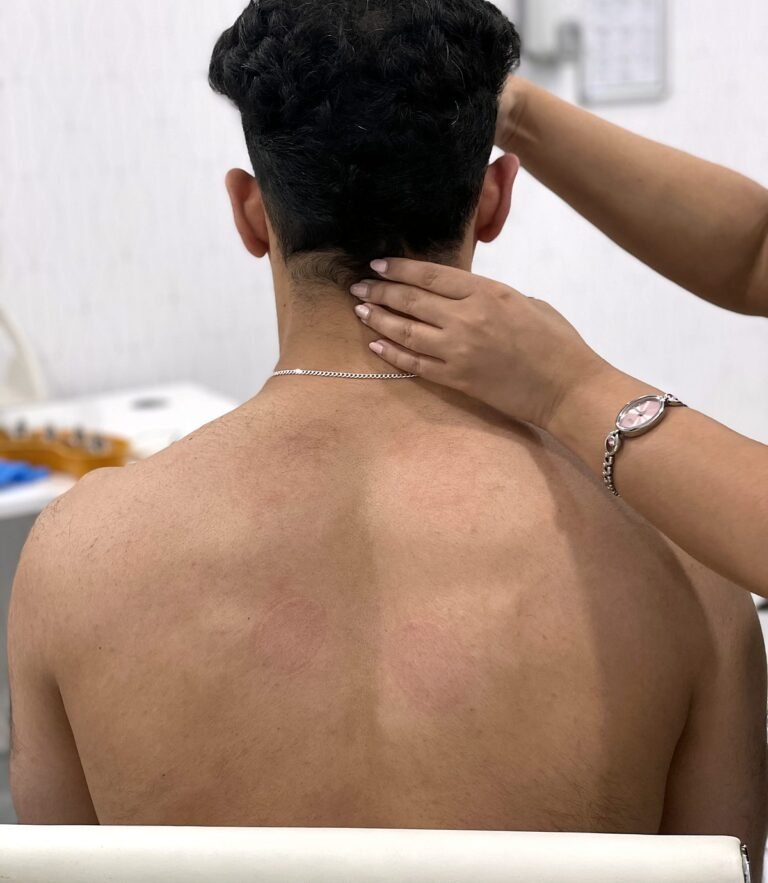
What "Root-Cause" Actually Means Here
Physiotherapy — physical therapy, if you learned the American term — is the clinical treatment of movement: restoring how joints, muscles, fascia and nerves work together. The difference between clinics isn't the definition. It's where treatment starts.
What Physiotherapy Here Helps With
From acute injuries to the pain that's quietly become part of your day.
Back & neck pain
Acute episodes, chronic stiffness, disc-related pain and desk-built tension — assessed at the pattern, not just the spot.
Sports injuries
Strains, sprains and overuse injuries — treated and retrained so return-to-sport doesn't mean return-to-injury.
Posture & desk strain
Rounded shoulders, forward head, tight hips — the slow adaptations of long working days, reversed deliberately.
Headaches from the neck
Tension-type and cervicogenic headaches often begin in the neck and shoulders — where physiotherapy can reach them.
Muscle tightness & joint stiffness
Recurring knots, stiff joints and tension that returns days after a massage — treatment targets why the muscle keeps guarding.
Rehab that plateaued
Recovered on paper but not in practice — releasing the protective patterns that outlast the injury.
The Techniques, Chosen for Your Pattern
Certified methods — combined in one plan, never applied as a script.
Dry Needling →
Precise trigger-point release for tension massage can't reach. Explore the full page.
Manual therapy
Skilled hands-on mobilisation of joints and soft tissue — the core of clinical treatment.
IASTM
Instrument-assisted soft-tissue work for stubborn fascial restrictions and scar tissue.
Dynamic & functional cupping
Movement-based cupping that lifts and glides tissue while you move — not static circles.
Fascial & myofascial release
Working the connective web that links "unrelated" pains together.
Movement retraining
Rebuilding the patterns that caused the problem — so you can keep building on it between sessions.
Why Some Pain Keeps Coming Back
The most common story new patients bring: months of treatment, temporary relief, same pain. The difference is rarely effort — it's the path.
Chasing the symptom
- Treat the painful spot
- Feel better for a few days
- Pattern rebuilds the tension
- Pain returns — rebook
Treating the pattern
- Whole-person assessment — movement, fascia, breath, load
- Treat the cause and the symptom together
- Retrain the pattern that built it
- Discharge with a plan you own
Sixty minutes, properly used.
History
Your story first — the injury, the days, the desk, the sleep.
Assessment
Movement, strength, fascia and breath — finding the pattern feeding the pain.
Treatment
Hands-on work begins in the first session — you leave having been treated, not just measured.
The plan
What's happening, what will help, how long it should take — in plain language.
What Physiotherapy Costs in Dubai — Answered Honestly
Physiotherapy in Dubai is usually priced per session. What actually determines value isn't the per-session number — it's the total cost of getting better. After your first assessment you get an honest estimate of how many sessions you are likely to need. For typical 2026 price ranges and how insurance works, see our guide to physiotherapy costs in Dubai.
Four questions worth asking
- Who exactly will treat me — and will it be the same person every session?
- How long is the hands-on time in a session?
- Will I get an honest estimate of how many sessions, after assessment?
- What happens between sessions — is there a plan I take home?
Clear before you commit
- 60-minute sessions — assessment and treatment, never a rushed slot
- The exact fee confirmed on WhatsApp before your first booking
- Package options for treatment plans, priced upfront
- An honest session estimate after assessment — and discharge when you're ready, not when the package runs out
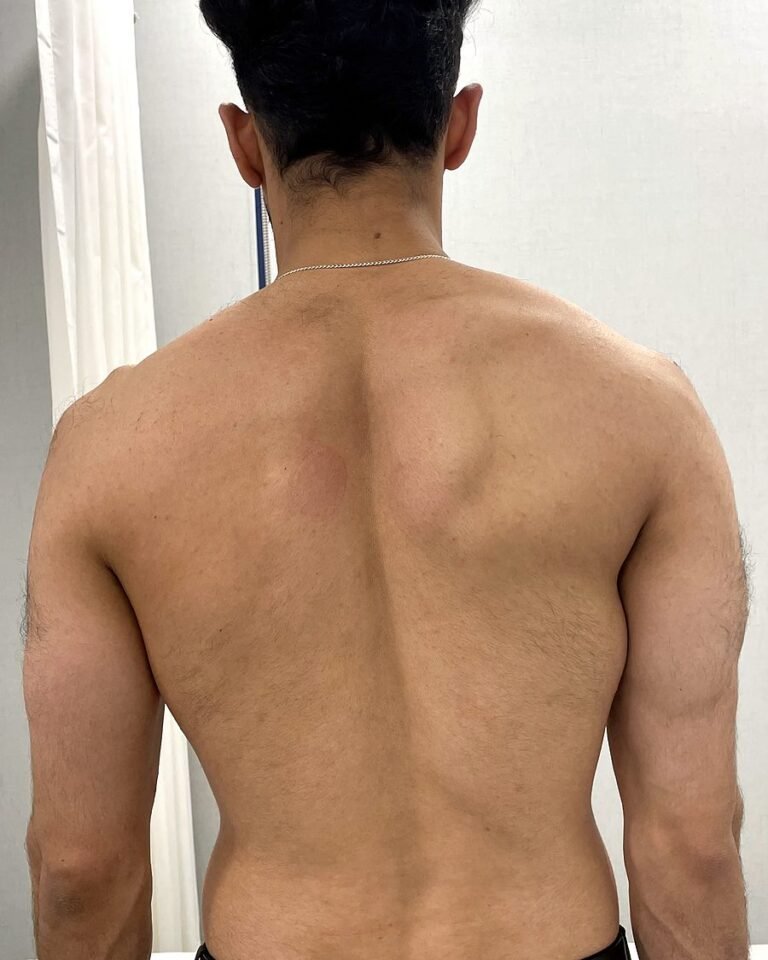
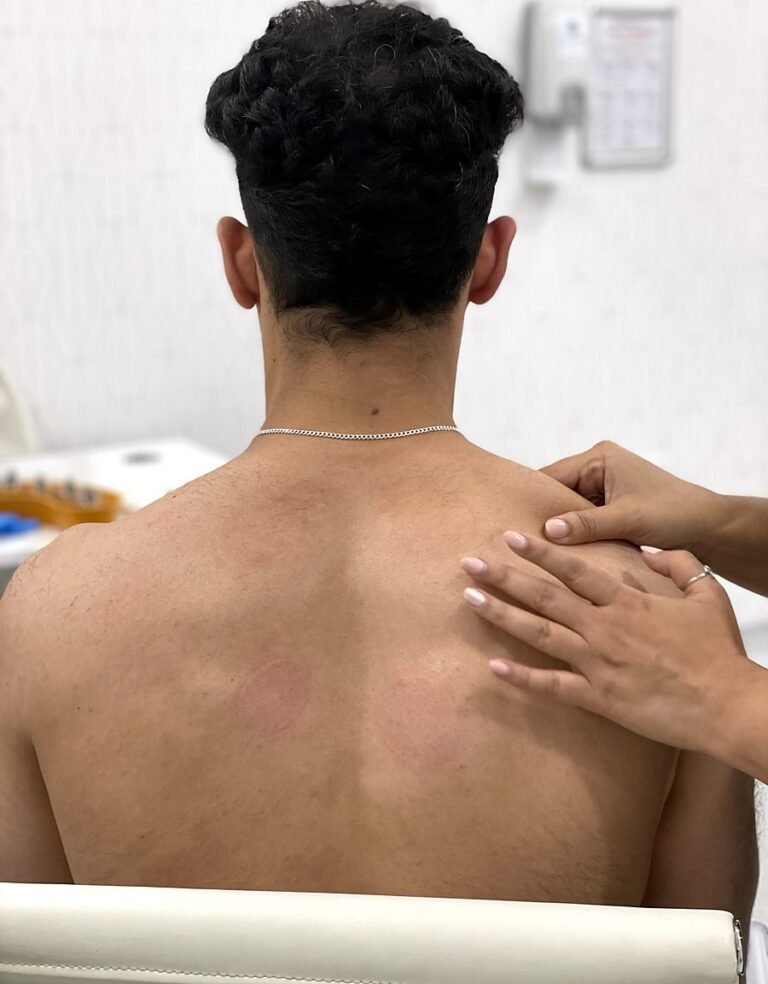
Inside a Physiotherapy Session in Dubai
Assessment comes first. Hands-on treatment is chosen for what that assessment finds, not from a set menu.


Never Passed Down the Line.
In many clinics, your file travels between whoever is free. Here, Shubhangii Gaikwaad (MPT Neurology, 16+ years) assesses you, treats you, and adjusts the plan herself — every session, start to discharge.
That continuity is why patterns get caught: the same clinical eyes watching how your body changes week to week, with somatic and nervous-system tools available when tension has deeper roots.
In Dubai, and Online Worldwide.
Hands-on physiotherapy takes place in Dubai; movement retraining and nervous-system regulation also run online, worldwide. Location and full session details are shared on your consultation.
Book a free consultation- ✓In-person sessions in Dubai
- ✓Online sessions worldwide — English & Hindi
- ✓One physiotherapist, every setting
- ✓Fee confirmed before you book
Physiotherapy Across Dubai
In-person in Dubai, or online for movement and regulation work. Patients come from across the city:
Personalised Physiotherapy & Rehabilitation
Every body responds differently to pain, injury and stress. Your physiotherapy session is designed to understand the factors affecting your movement, comfort and recovery — rather than focusing only on the painful area.
An evidence-informed combination
Physiotherapy, manual therapy, dry needling, cupping, myofascial techniques, therapeutic movement, neural mobility and nervous-system regulation — each session personalised to your individual needs.
Whatever you're carrying
Back pain, neck pain, muscle tightness, joint stiffness, chronic pain, reduced mobility, or recovering from an injury — the focus stays on improving movement, function and confidence in your body.
Built around your life
Your work, your training, your sleep and your stress all shape recovery. The plan is built for the life you actually live, not an ideal one.
Physiotherapy FAQs.
How much does physiotherapy cost in Dubai?+
How many sessions will I need?+
What's the difference between this and massage?+
Is physiotherapy covered by insurance in Dubai?+
If you're unsure about your coverage or how the process works, we can discuss your options during your consultation call.
What should I wear to a session?+
How soon will I feel a difference?+
Pain That Stays Has a Reason.
One honest assessment is where finding it begins.