Dry Needling Aftercare: Soreness, Side Effects and What’s Normal
Sore for a day or two is normal. Here's what to expect day by day, what actually helps, and the rare signs that need a doctor.
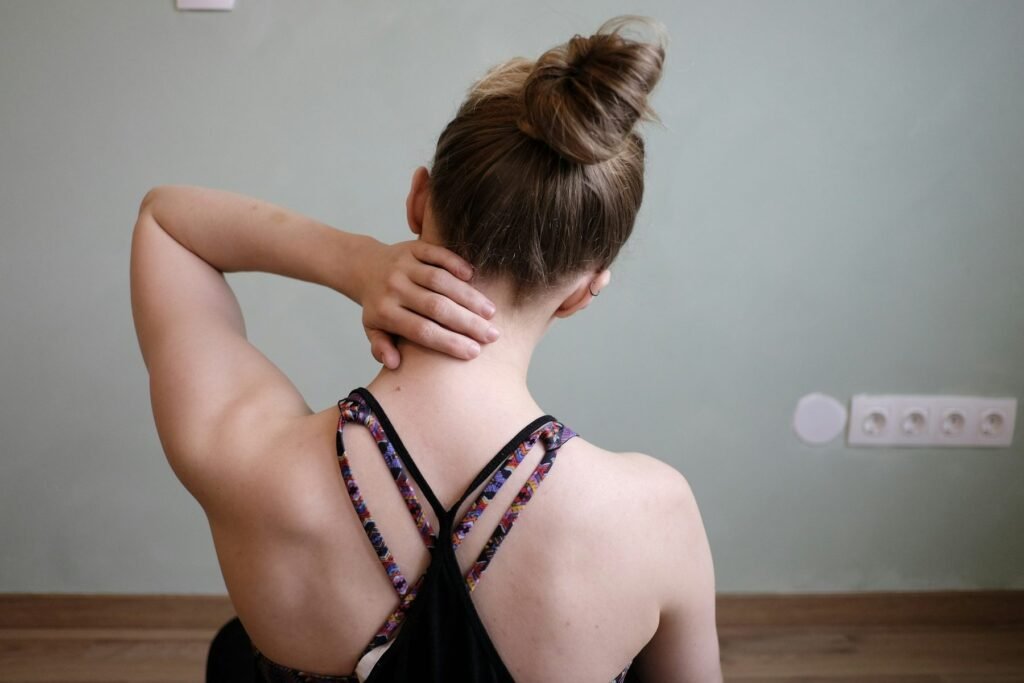
After dry needling, it’s normal for the treated muscle to feel sore, achy or a little bruised for one to three days, a bit like the day after an unfamiliar workout. Gentle movement, your usual daily activity and a lighter training day usually help it settle. It is not normal to have shortness of breath or chest pain after needling near the chest, neck or upper back, or a needle site that becomes hot, swollen and increasingly painful. Those need medical attention straight away.
The short version
- Soreness is the most common after-effect and usually eases within 72 hours.
- Small bruises and spots of bleeding are common too. They’re cosmetic and fade like any minor bruise.
- Keep moving. Normal daily activity is fine. Save hard training on the treated muscle for a day or two.
- Feeling tired or a bit emotional after a session happens occasionally and passes.
- Know the rare warning signs: breathlessness or chest pain after needling around the chest, neck or upper back means emergency care, today.
What’s normal after dry needling: a timeline
Everyone responds a little differently, but most people follow a similar pattern. A review of the research describes post-needling soreness as very common after deep dry needling and usually gone within 72 hours.1
| When | What you might notice | What to do |
|---|---|---|
| Straight after | Deep ache in the muscle, a heavy or “worked” feeling, sometimes easier movement in the area | Get up slowly, drink some water, carry on with a normal day |
| First evening | Soreness often builds as the day goes on; some people feel tired | Gentle movement, an early night if you feel drained |
| Day 1 to 2 | Tenderness to touch, stiffness when you first move, a small bruise may appear | Keep active, use the area normally, avoid heavy training on that muscle |
| Day 3 | Soreness usually much lighter or gone | Return to full training if it feels fine |
| After day 3 | Lingering tenderness is uncommon | Let your physiotherapist know; it helps them adjust the next session |
In a small trial of stroke patients treated with dry needling for shoulder pain, the soreness that followed had almost disappeared by 72 hours without any extra treatment.2 That matches what most people experience: it’s temporary, and it’s not a sign that something has gone wrong.
Why the muscle feels sore
A dry needle is very fine, but it still passes through muscle tissue, and when it reaches a sensitive trigger point the muscle often twitches. Researchers think post-needling soreness comes from that small amount of local tissue irritation and the body’s normal inflammatory and healing response to it.1 Deeper techniques, and treatments that produce several twitch responses, can leave more soreness than lighter ones.
If you’re curious what the needling itself feels like, our guide to whether dry needling hurts covers the sensations during a session. This article picks up from the moment you get off the treatment table.
Other common side effects
Large surveys of physiotherapists give a good idea of what people tend to notice after treatment. Across more than 20,000 dry needling sessions, minor effects were common, while major adverse events were rare, at under 0.1% of treatments.3 Together with an earlier survey of 7,629 treatments, they give this picture:4
- Bruising and small spots of bleeding at the needle sites. These were the most frequently reported effects in both surveys.3,4
- Symptoms feeling temporarily worse (under 1% of treatments). A short flare can happen, especially in a very irritable area, and usually settles over a few days.
- Drowsiness, headache or nausea (each well under 1%). These tend to pass within hours.
- Feeling tired or emotional (rare). Some people feel unexpectedly flat, teary or wiped out after treatment. It isn’t harmful and it passes.
If you’ve ever felt faint with needles or blood tests, say so before your session. Treatment can be given lying down, and it helps to have eaten beforehand.
Aftercare: what helps
There’s surprisingly little research on home aftercare for dry needling, so here’s what is known, and what is simply sensible.
- Keep moving. Gentle movement and using the area normally is the most common advice. Rest doesn’t speed things up, and stiffness usually eases once you get going.
- Light stretching or easy mobility work for the treated muscle, within comfort, later the same day or the next morning.
- Pressure on the sore spot. In a controlled trial in healthy volunteers, firm sustained pressure over the needled muscle straight after treatment reduced how intense the soreness was and how long it lasted.5 This is usually done in the clinic, but ask your physiotherapist if a gentle version is suitable for you at home.
- Heat or cold. Both are commonly suggested, but neither has been well studied after dry needling. Use whichever feels better. Many people prefer a warm shower or heat pack for muscle soreness; a cold pack can help with a tender bruise.
- Water and a normal meal. There’s no evidence that drinking extra water “flushes out” anything, but staying hydrated and eating normally can help if you feel light-headed or tired.
- Sleep. If you feel drained, an earlier night is a perfectly good response.
Training and daily life after a session
- Work, driving and normal daily tasks: fine straight away for most people.
- Walking, easy cycling, swimming or yoga: usually fine the same day.
- Heavy lifting or hard sessions that load the treated muscle: give it 24 to 48 hours.
- A competition or big event: avoid needling in the two or three days before, until you know how you respond.
- Massage on the treated area: wait a day or two if it’s tender or bruised.
Things to avoid straight after
- A very hard workout on the same muscle the same day. You’ll probably feel weaker and sorer, and it makes it harder to judge how the treatment went.
- Picking at or rubbing a needle site. The tiny entry points close quickly; leave them alone.
- Judging the treatment by day one. Soreness can mask any change in your original pain for a day or two. How things feel on day three or four is a fairer test.
Keep a short note for your next session
How you respond helps shape the next treatment. Jot down how sore you were (0 to 10), how long it lasted, any bruising, and what happened to your usual pain over the following week. If soreness was strong or put you off, say so. The technique, depth or number of needles can be adjusted, and dry needling can be left out altogether in favour of hands-on treatment and exercise. On our dry needling in Dubai page you can see how needling fits into a wider plan.
Get medical help straight away if you have
- Shortness of breath, chest pain or a dry cough after needling around the chest, neck, shoulder blades or upper back. A collapsed lung (pneumothorax) is rare but is one of the serious complications researchers track.3 Symptoms can appear hours after the session.
- A needle site that becomes increasingly hot, red, swollen or painful, or a fever: possible signs of infection
- A large bruise or swelling that keeps growing, especially if you take blood thinners
- New numbness, weakness or pins and needles that doesn’t settle
In the UAE, call 998 for an ambulance in an emergency. For anything that isn’t urgent but doesn’t feel right, contact your physiotherapist.
Frequently asked questions
How long does soreness last after dry needling?
Usually one to three days. It’s often strongest the evening after treatment or the next day, then fades. If soreness lasts longer than about three days or keeps getting worse, let your physiotherapist know.
Can I exercise after dry needling?
Yes. Walking and light exercise are fine the same day and often help. Leave heavy or high-intensity training that loads the treated muscle for 24 to 48 hours, and avoid needling just before a competition until you know how you respond.
Should I use heat or ice after dry needling?
Neither has been well studied after dry needling, so use whichever feels better. Many people find heat soothing for muscle soreness, while a cold pack can ease a tender bruise.
Is it normal to feel tired or emotional after dry needling?
It happens occasionally. Some people feel drowsy, drained or unexpectedly emotional for a few hours after a session. It isn’t harmful and passes, but mention it at your next appointment.
Why does my pain feel worse after dry needling?
Post-needling soreness can sit on top of your usual pain for a day or two, and an irritable area can briefly flare. This usually settles within a few days. If it doesn’t, or you’re worried, contact your physiotherapist so the plan can be adjusted.
References
- Martín-Pintado-Zugasti A, Mayoral Del Moral O, Gerwin RD, Fernández-Carnero J. Post-needling soreness after myofascial trigger point dry needling: current status and future research. J Bodyw Mov Ther. 2018;22(4):941-946.
- Mendigutía-Gómez A, Quintana-García MT, Martín-Sevilla M, et al. Post-needling soreness and trigger point dry needling for hemiplegic shoulder pain following stroke. Acupunct Med. 2020;38(3):150-157.
- Boyce D, Wempe H, Campbell C, et al. Adverse events associated with therapeutic dry needling. Int J Sports Phys Ther. 2020;15(1):103-113.
- Brady S, McEvoy J, Dommerholt J, Doody C. Adverse events following trigger point dry needling: a prospective survey of chartered physiotherapists. J Man Manip Ther. 2014;22(3):134-140.
- Martín-Pintado-Zugasti A, Pecos-Martin D, Rodríguez-Fernández ÁL, et al. Ischemic compression after dry needling of a latent myofascial trigger point reduces postneedling soreness intensity and duration. PM R. 2015;7(10):1026-1034.

About Somatic Recovery
Somatic Recovery is the Dubai practice of Shubhangii Gaikwaad, DHA-Licensed Physiotherapist (MPT, Neurology) with 16 years of clinical experience. Sessions in person in Dubai and online worldwide, in English and Hindi.
This article is general information, not a diagnosis or a substitute for an individual assessment. If you have severe, sudden or worsening symptoms, see a doctor.
Somatic Recovery · Dubai & online
Want this looked at properly?
One assessment with a DHA-licensed physiotherapist to understand what is driving your symptoms, with a clear plan and an honest timeline.
Keep reading
 Dry NeedlingIs Dry Needling Safe? Side Effects, Risks and Who Should Avoid ItMinor soreness is common, serious problems are rare. What the research says about dry needling safety and who needs extra care.6 min read→
 Dry NeedlingDry Needling for Neck Pain and Headaches: Does It Work?Short-term relief for neck pain, promising but less certain for headaches. What the research says and how it fits with exercise.7 min read→
 Dry NeedlingHow Many Dry Needling Sessions Do You Need?There is no magic number. What the research says about how many sessions, how often, and when to change the plan.6 min read→