Exercises for Lower Back Pain: What the Research Supports
Six gentle starting exercises, what the research actually says, and how to tell whether an exercise is helping or making things worse.
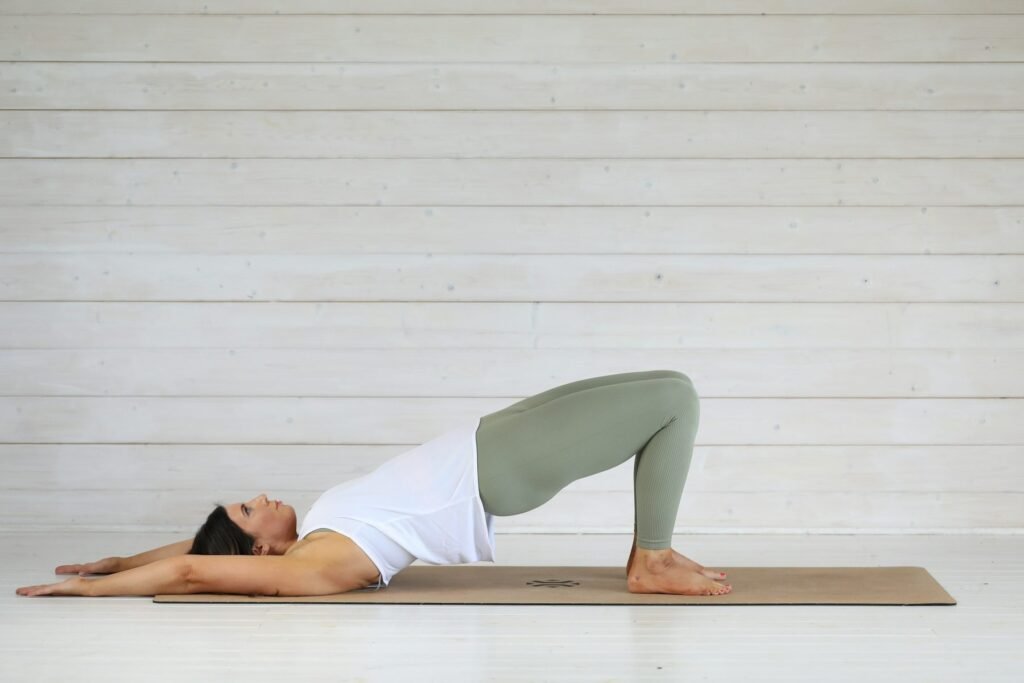
Exercise is one of the best-supported treatments for long-lasting lower back pain. A Cochrane review of 249 trials found that exercise reduces pain in chronic lower back pain more than no treatment or usual care. No single exercise works for everyone. Pilates, McKenzie-style exercises and graded functional training have slightly stronger evidence than other types, and the best programme is usually the one you’ll keep doing. Start gently: walking, pelvic tilts, knee hugs, cat-cow, bridges and bird dogs are common starting points. Stop and get checked if any exercise sends pain down your leg or makes symptoms clearly worse.
The short version
- Exercise helps chronic lower back pain. The evidence for pain relief is moderate-certainty and the effect is clinically meaningful.
- The type matters less than you’d think. Pilates, McKenzie and functional restoration score a little higher, but enjoyment and consistency count.
- Walking is underrated. In a large trial, a guided walking programme nearly doubled the time people stayed free of a new back pain episode.
- Some discomfort is OK; worsening isn’t. Mild, short-lived discomfort is normal. Pain spreading down a leg is a reason to stop and get assessed.
- Red flags come first. Numbness around the groin, bladder or bowel changes or a weakening leg need urgent medical care, not exercise.
What the research says
A 2021 Cochrane review pooled 249 randomised trials of exercise for chronic, non-specific lower back pain (pain lasting more than 12 weeks with no specific underlying cause). Compared with no treatment, usual care or placebo, exercise reduced pain by about 15 points on a 100-point scale, which the authors considered a clinically important difference. Its effect on day-to-day function was smaller.1
The same research group then compared exercise types head to head across 217 trials. Most types worked better than minimal treatment. Pilates, McKenzie therapy and functional restoration came out slightly ahead for pain, and flexibility exercises did well for function. The authors’ practical conclusion was simple: people should be encouraged to do the exercise they enjoy, because that’s what they’ll stick with.2
For a new episode of back pain, the most consistent advice is to stay as active as you comfortably can rather than rest in bed. The UK’s NICE guideline recommends considering a group exercise programme, which can be biomechanical, aerobic, mind-body or a mix, for people with a specific episode or flare-up of low back pain.3
Six gentle exercises to start with
These are common, low-load starting points. They aren’t a personalised programme. Move slowly, breathe normally, and stay in a range that feels manageable. Start with 5 to 8 repetitions of each and build up gradually over the following weeks.
1. Walking
Start with a distance you can manage comfortably, even 10 minutes, and add a little every few days. Walking on flat ground, at a relaxed pace, is a good place to begin. In the WalkBack trial, adults who had recently recovered from back pain followed a progressive walking and education programme guided by a physiotherapist. They went a median of 208 days before their next activity-limiting episode, compared with 112 days for the group that received no programme.4
2. Pelvic tilts
Lie on your back with knees bent and feet flat. Gently flatten your lower back into the floor by tilting your pelvis, hold for a breath, then relax back to neutral. It’s a small movement. The aim is gentle motion, not effort.
3. Knee hugs
Lying on your back, bring one knee towards your chest, holding behind the thigh. Hold for 15 to 20 seconds, then swap legs. If both feels comfortable, you can try bringing both knees in together.
4. Cat-cow
On hands and knees, slowly round your back towards the ceiling, then let it gently dip as you lift your chest. Move through a comfortable range, in time with your breath.
5. Bridge
Lying on your back with knees bent, squeeze your buttocks and lift your hips until your body forms a straight line from shoulders to knees. Pause, then lower slowly. Keep the effort in your hips, not your lower back.
6. Bird dog
On hands and knees, slowly reach one arm forward and the opposite leg back, keeping your back level and your hips square. Hold for a breath, return, and swap sides. Start with just the leg or just the arm if this is too much.
How to tell if an exercise is right for you
- Fine to continue: mild discomfort or stretching that settles within an hour or so and isn’t worse the next morning.
- Ease off: pain that builds during the exercise or is noticeably worse the next day. Do fewer repetitions or a smaller range.
- Stop and get advice: pain, tingling or numbness travelling down a leg, or anything that feels sharp or alarming.
Building it into your week
Consistency matters more than intensity. A few short sessions spread through the week are usually easier to keep up than one long one. As things settle, most plans move from gentle mobility towards strengthening for the hips, trunk and legs, and back towards the activities you want to return to, such as lifting, running or carrying children. Keep a version of your routine going once the pain settles: that is when exercise does most to stop it returning, as our guide to why back pain keeps coming back explains.
If you spend long hours at a desk, it helps to pair exercise with breaking up sitting. Our guide to lower back pain from sitting all day covers that side of things.
What to avoid during a flare-up
- Bed rest. Short rests are fine, but prolonged rest tends to slow recovery.
- Pushing through sharp pain. Reduce the range or the load rather than forcing it.
- Jumping straight back into heavy lifting or high-impact training. Build back up in steps.
- Copying a programme designed for someone else. What works for a friend or a video may not suit your back.
When a tailored programme helps
General exercises are a good start, but pain that keeps coming back, pain that travels into the leg, or pain that limits work and sleep usually benefits from an assessment. A physiotherapist can work out which movements and positions your back tolerates, choose exercises that match, and progress them safely. If leg pain is part of the picture, read our guide to telling sciatica from lower back pain. You can also see how we approach back pain treatment in Dubai.
Seek urgent medical care, don’t exercise, if you have
- Numbness or tingling around the groin, genitals, buttocks or inner thighs
- New difficulty passing urine, or loss of bladder or bowel control
- Weakness in a leg or foot that is getting worse
- Back pain with fever, unexplained weight loss, a history of cancer, or after a significant fall or accident
In the UAE, call 998 for an ambulance in an emergency. Our article on back pain red flags explains each warning sign.
Frequently asked questions
What is the best exercise for lower back pain?
There isn’t one best exercise for everyone. Research suggests Pilates, McKenzie-style exercises and graded functional training work slightly better than other types for chronic back pain, but the exercise you enjoy and keep doing is usually the most effective one for you.
Should I exercise with lower back pain or rest?
For most back pain, staying as active as you comfortably can is better than resting in bed. Choose gentle movements, reduce the amount if pain builds, and seek medical care first if you have any red-flag symptoms.
Is walking good for lower back pain?
Yes, for most people. In a large trial, a guided, progressive walking programme helped people who had recovered from back pain stay free of a new episode for longer. Start with short, comfortable walks and build up gradually.
How long until exercise helps back pain?
It varies. Some people notice easier movement within days, while improvements in pain and strength usually build over several weeks of regular exercise. Sticking with it matters more than doing a lot at once.
Which exercises should I avoid with lower back pain?
Avoid anything that causes sharp pain, sends pain down your leg, or leaves you clearly worse the next day. During a flare-up, hold off on heavy lifting and high-impact training, and build back up in steps.
References
- Hayden JA, Ellis J, Ogilvie R, Malmivaara A, van Tulder MW. Exercise therapy for chronic low back pain. Cochrane Database Syst Rev. 2021;9:CD009790.
- Hayden JA, Ellis J, Ogilvie R, et al. Some types of exercise are more effective than others in people with chronic low back pain: a network meta-analysis. J Physiother. 2021;67(4):252-262.
- National Institute for Health and Care Excellence (NICE). Low back pain and sciatica in over 16s: assessment and management (NG59).
- Pocovi NC, Lin CC, French SD, et al. Effectiveness and cost-effectiveness of an individualised, progressive walking and education intervention for the prevention of low back pain recurrence (WalkBack): a randomised controlled trial. Lancet. 2024;404(10448):134-144.

About Somatic Recovery
Somatic Recovery is the Dubai practice of Shubhangii Gaikwaad, DHA-Licensed Physiotherapist (MPT, Neurology) with 16 years of clinical experience. Sessions in person in Dubai and online worldwide, in English and Hindi.
This article is general information, not a diagnosis or a substitute for an individual assessment. If you have severe, sudden or worsening symptoms, see a doctor.
Somatic Recovery · Dubai & online
Want this looked at properly?
One assessment with a DHA-licensed physiotherapist to understand what is driving your symptoms, with a clear plan and an honest timeline.
Keep reading
 Back PainLower Back Pain When Bending Forward: Causes and What HelpsBending isn't the enemy. Why your back hurts when you bend, what scans really show, and how to get comfortable bending again.8 min read→
 Back PainIs Walking Good for Back Pain? What the Research SaysOne of the simplest things you can do for your back. How much walking helps, how to build up, and what the WalkBack trial found.6 min read→
 Back PainWhy Is My Back Stiff in the Morning? Causes and What HelpsUsually it is your spine waking up, not damage. Why it happens, a 3-minute routine before you get up, and the pattern worth checking.7 min read→