Back Pain Treatment in Dubai — Finding Why, Not Just Where
Most back pain isn't a back problem alone. It's a pattern — how you sit, breathe, load and brace — arriving at one painful place. Treatment here starts with finding that pattern, because that's what decides whether relief lasts.
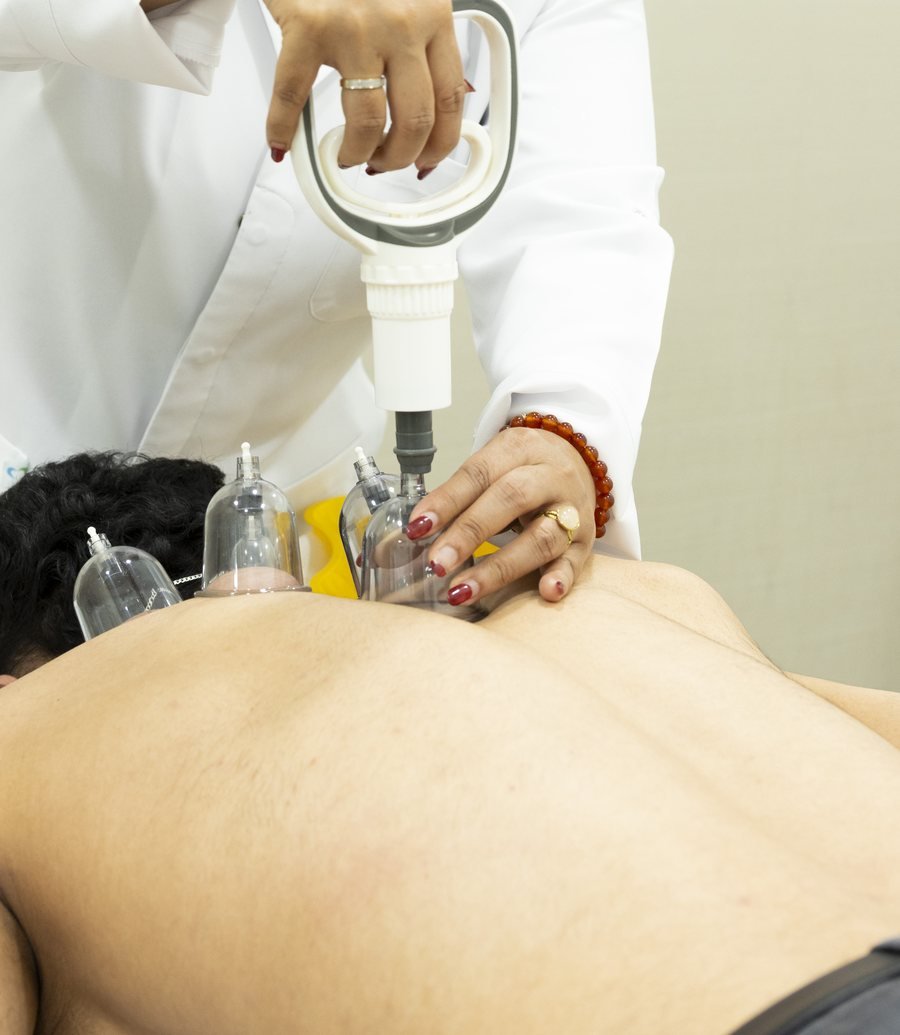
The back pain that keeps coming back.

Why Your Back Pain Keeps Returning
If rest, stretching and painkillers keep working for a fortnight and then stop, nothing has gone wrong with you. The thing causing it simply hasn't been treated yet.
The Back Pain We See Most
Different patterns, different plans — assessed before anything is treated.
Lower back pain & stiffness
The ache that's worst first thing, or after sitting. Often a loading and mobility pattern rather than damage.
Desk-built back pain
Long hours, a screen slightly too low, hips that stopped moving. Dubai's commute and desk culture in one complaint.
Pain that travels down the leg
Nerve-related symptoms need careful assessment — what's compressing, what's irritated, and what movement actually helps.
Recurring flare-ups
Fine for months, then a sneeze or a suitcase sets it off. The flare is the symptom; the sensitivity is the target.
Post-injury or post-surgery
Recovered on the scan, not in real life. Rebuilding confident movement is its own piece of work.
Back pain with stress
When tension, poor sleep and a nervous system stuck on high keep the back braced, somatic tools belong in the plan.
How Back Pain Is Treated Here
Combined into one plan for your pattern — never applied as a script.
Manual therapy
Hands-on mobilisation of the stiff joints and guarded soft tissue driving the pain.
Dry Needling →
For the deep trigger points that keep the lower back braced. See the full page.
Myofascial release
Working the connective web that links hips, mid-back and lower back together.
Exercise & movement therapy
Rebuilding strength and control so the back stops carrying what it shouldn't.
Breathing mechanics
The diaphragm is part of your core. Braced breathing keeps the spine loaded all day.
Nervous-system regulation →
When stress keeps the body guarding, somatic work belongs alongside the hands-on treatment.
Two Ways Back Pain Gets Treated
The same patient, the same pain, two different paths — and two very different twelve-month stories.
Treating the sore spot
- Rest, heat, painkillers, a massage
- Pain settles within a week or two
- Normal life resumes — so does the pattern
- The next flare arrives, a little sooner
Treating the pattern
- Whole-person assessment — movement, hips, breath, load, stress
- Hands-on treatment for the pain you came in with
- Retraining for whatever kept overloading the back
- Discharge with a plan you can run yourself
Sixty minutes on your back, properly.
History
Your story first — the injury, the days, the desk, the sleep.
Assessment
Movement, strength, fascia and breath — finding the pattern feeding the pain.
Treatment
Hands-on work begins in the first session — you leave having been treated, not just measured.
The plan
What's happening, what will help, how long it should take — in plain language.

Sixteen Years of Backs That Didn't Add Up.
Shubhangi Gaikwad (MPT Neurology) has spent sixteen years with the cases that don't follow the textbook — the clear scan with real pain, the recovery that plateaued, the back that flares every few months for no obvious reason.
She assesses you, treats you and adjusts the plan herself, with somatic and nervous-system tools available when tension has deeper roots than the tissue.
In Dubai, and Online Worldwide.
Hands-on physiotherapy takes place in Dubai; movement retraining and nervous-system regulation also run online, worldwide. Location and full session details are shared on your consultation.
Book a free consultation- ✓In-person sessions in Dubai
- ✓Online sessions worldwide — English & Hindi
- ✓One physiotherapist, every setting
- ✓Fee confirmed before you book
Back Pain Treatment Across Dubai
In-person assessment and treatment in Dubai, with online follow-up for movement and regulation work. Patients come from across the city:
Back Pain FAQs.
How long does it take to fix back pain?+
Should I rest or keep moving with back pain?+
Do I need an MRI or X-ray first?+
Is my back pain serious?+
What about muscle tightness and joint stiffness?+
How much does back pain treatment cost in Dubai?+
Your Back Has Been Asking for Attention.
One honest assessment is where finding the reason begins.